How Robotic Products Help Students Develop Skills for Future Careers
Technology is changing the way students learn and prepare for their future careers. Schools and learning centers are now using robotic products to make education more interactive and practical. Instead of only reading from books, students can build, program, and test robots while learning important concepts. This hands-on approach helps them understand complex ideas more easily and prepares them for the modern workplace. As industries continue to adopt advanced technology, learning with robotic products gives students valuable skills that can benefit them in many career paths.
Robotic Products Make Learning More Practical
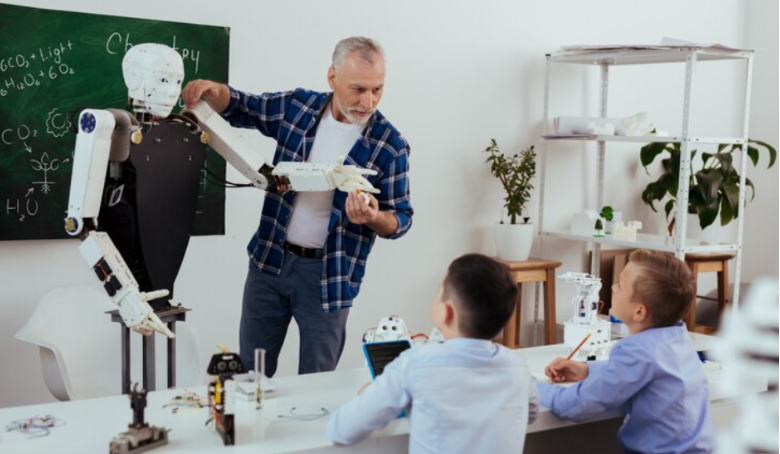
One of the biggest benefits of robotic products is that they allow students to learn by doing. Rather than only listening to lessons, students actively participate in projects that involve building and programming robots. This practical learning method improves understanding because students can see how their ideas work in real life.
Working with robotic products also encourages students to experiment and learn from mistakes. They gain confidence by testing different solutions and finding better ways to complete tasks. This learning style makes education more enjoyable and effective.
Developing Problem-Solving and Critical Thinking Skills
Future careers require people who can solve problems and think carefully before making decisions. Robotic products help students develop these important skills through real-world challenges. While working on robotics projects, students often face technical problems that require creative thinking and careful planning.
As they identify issues, test solutions, and improve their designs, students strengthen their critical thinking abilities. These experiences teach them how to stay patient, analyze situations, and make informed decisions, which are valuable skills in many professions.
Building Technical Knowledge for Modern Careers
Many careers today involve technology, automation, and digital systems. Learning with robotic products introduces students to programming, engineering, electronics, and computer science in a simple and engaging way. These subjects become easier to understand because students can apply what they learn through hands-on activities.
Early exposure to robotic products helps students build a strong technical foundation. Whether they choose careers in engineering, healthcare, manufacturing, information technology, or research, these skills can support their future success.
Encouraging Creativity and Innovation
Creativity is just as important as technical knowledge. Robotic products allow students to design unique robots, develop new ideas, and create solutions for different challenges. Every project encourages students to think creatively while combining their imagination with practical skills.
This process helps students become innovative thinkers who are ready to develop new technologies and solve future problems. Employers value individuals who can generate fresh ideas and improve existing systems.
Improving Teamwork and Communication
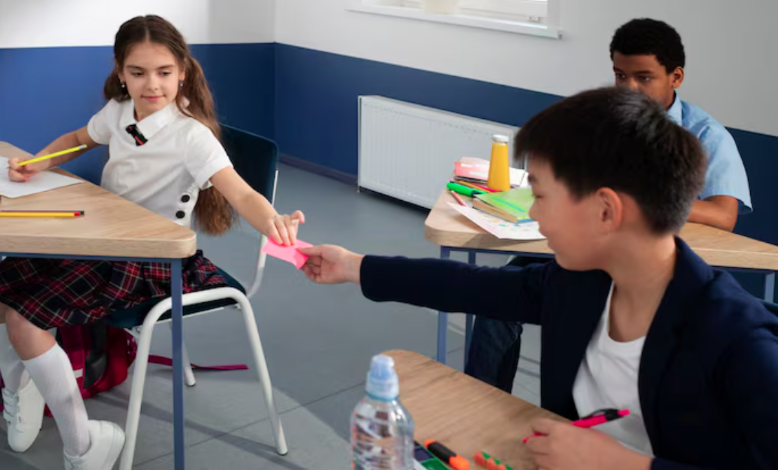
Many robotics activities require students to work together in teams. While using robotic products, they share ideas, divide responsibilities, and solve problems as a group. This teaches them how to communicate clearly, respect different opinions, and support one another.
Strong teamwork and communication skills are essential in almost every profession. Students who regularly participate in collaborative robotics projects become more confident when working with others in academic and professional environments.
Preparing Students for Future Career Opportunities
The demand for technology-related jobs continues to grow across many industries. Robotic products help students become familiar with modern tools and technologies that are already being used in workplaces around the world. This experience gives them greater confidence when pursuing higher education or entering the workforce.
By learning with robotic products, students also develop adaptability, curiosity, and a willingness to continue learning throughout their careers. These qualities are highly valued in today’s rapidly changing job market.
Conclusion
Robotic products play an important role in helping students prepare for successful future careers. They make learning practical, improve problem-solving skills, strengthen technical knowledge, encourage creativity, and build teamwork abilities. As technology continues to shape every industry, students who gain experience with robotic products are better equipped to meet future challenges and explore exciting career opportunities with confidence.